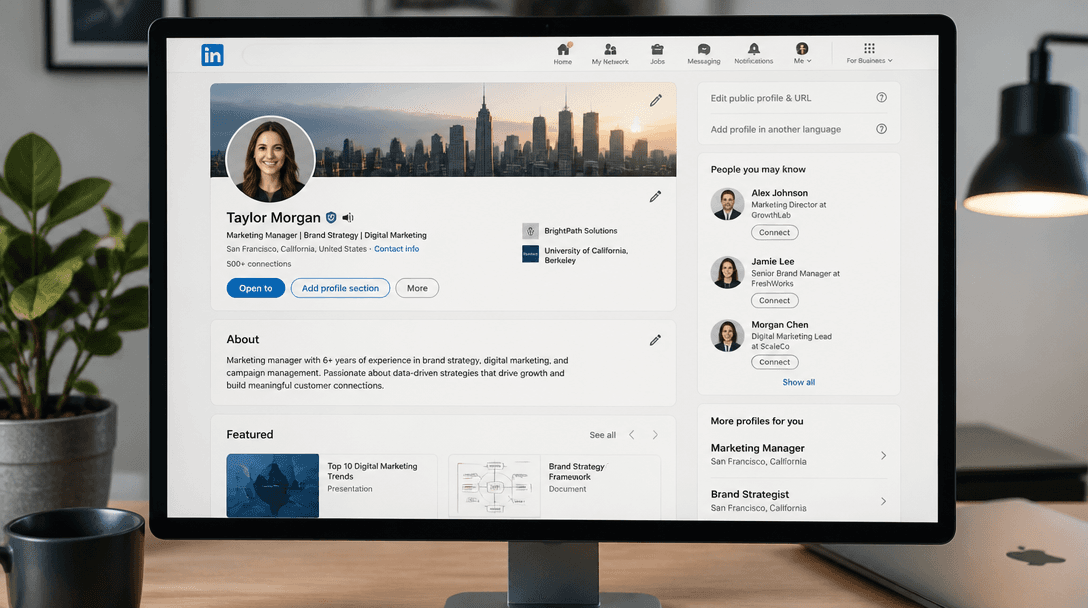
When I suggest LinkedIn to freshers from smaller towns in Tamil Nadu, the typical response is: "LinkedIn ah? That's for IT people and managers, not for me." Three years ago, that might have been partially true. In 2026, it's completely wrong. HR managers at manufacturing companies in Sriperumbudur, Oragadam, Hosur, and Coimbatore actively post walk-in announcements, job openings, and recruitment updates on LinkedIn. Recruiters at staffing agencies use LinkedIn to search for candidates by trade and location. You might be missing real opportunities simply because you don't exist on the platform.
You don't need to be a LinkedIn influencer. You don't need to post motivational content or write thought leadership articles. You need a complete, honest profile that shows up when a recruiter searches for "ITI Fitter Chennai" or "Diploma Mechanical Coimbatore." Here's exactly how to set that up.
Why LinkedIn Matters for Tamil Nadu Job Seekers
LinkedIn has over 100 million users in India, and Tamil Nadu is one of the most active states on the platform. Recruiters at companies like TCS, Infosys, Salcomp, Royal Enfield, and dozens of staffing agencies use LinkedIn's search function to find candidates. When they type "Diploma Mechanical Fresher Chennai" into LinkedIn's recruiter tool, profiles that match this description appear in their results. If you don't have a profile, you're invisible in these searches.
Beyond search visibility, LinkedIn gives you access to information that other job portals don't. You can see the actual people who work at a company, find out who the HR manager is, read about the company's recent activities, and sometimes directly message the person responsible for hiring. This direct access is more powerful than submitting your resume into a Naukri portal and hoping someone reads it.
For manufacturing job seekers specifically, LinkedIn has become a platform where HR teams post informal recruitment announcements that don't appear on job portals. A production manager at a Hosur factory might post: "We need 5 ITI Electricians immediately. DM me with your resume." These informal posts are filled quickly by candidates who see them first. Having an active LinkedIn presence puts you in the path of these opportunities.
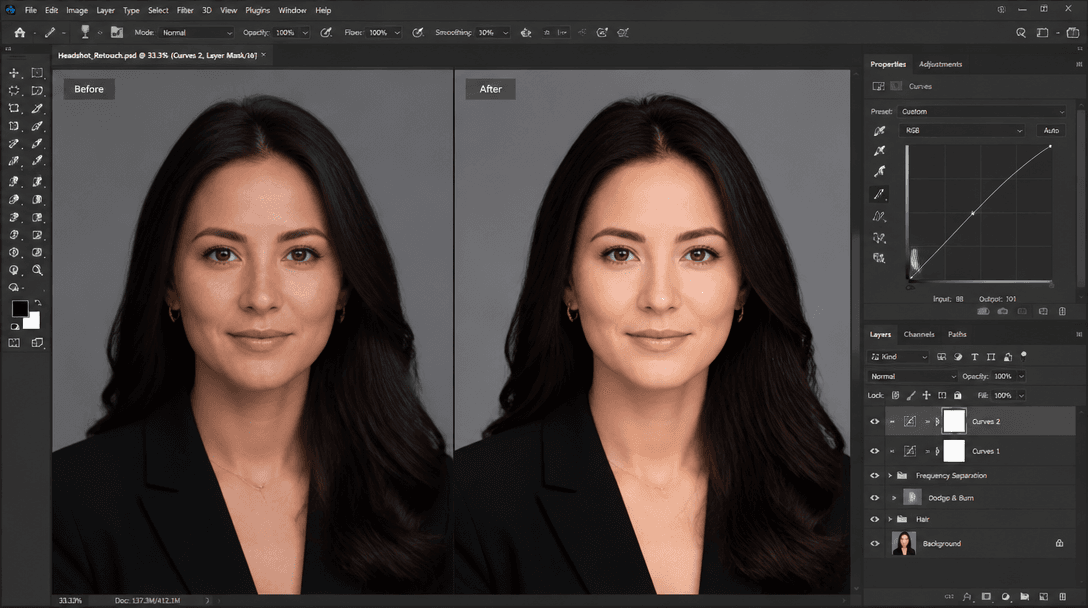
Professional headshot photo setup suitable for LinkedIn profiles
Profile Setup - Step by Step for Maximum Visibility
Profile photo: Use a clear, professional headshot. You don't need a studio photo - a well-lit photo taken on your phone against a plain background works perfectly. Wear a formal shirt. Look directly at the camera. No sunglasses, no group photos cropped to show just you, no selfies with filters. LinkedIn profiles with photos get 14x more profile views than those without.
Headline (the most important element): Don't use the default "Student at XYZ College." Write a headline that describes what you are and what you're looking for: "ITI Fitter | CNC Trained | Seeking Manufacturing Roles in Chennai" or "Diploma in Mechanical Engineering | Quality Control Focus | Open to Opportunities." This headline appears in search results - it's often the only thing a recruiter sees before deciding whether to click on your profile.
About section (summary): Write 3-5 sentences that cover who you are, what you've trained in, and what you're looking for. Use keywords that recruiters search for - your trade name, your city, specific skills, and the type of role you want. Example: "I recently completed my ITI in Fitter trade from Government ITI, Salem, with 82% marks. My training included lathe operations, bench fitting, measurement instruments (vernier caliper, micrometer), and basic CNC awareness. I'm looking for production operator or maintenance assistant roles in the Chennai or Hosur manufacturing corridor. Open to shifts and available for immediate joining." Every word in this summary is searchable - and a recruiter searching for "ITI Fitter Chennai shifts" would find this profile.
Experience section: Even as a fresher, fill this section. Add your practical training, internships, apprenticeships, or even significant project work as entries. Title: "Practical Training - Fitter Trade." Company: "Government ITI, Salem." Description: List what you learned and did. This section should not be empty - empty experience sections lower your profile's completion score and reduce search visibility.
Education section: Add all your qualifications - from most recent to 10th standard. Include the institution name, degree/certification, field of study, and years attended. Add activities and societies if you participated in any (technical clubs, workshop teams).
Skills section: Add at least 10 relevant skills. For manufacturing: your trade skills, specific machines, measurement tools, quality concepts, safety training, computer skills. LinkedIn lets you add up to 50 skills, but 15-20 relevant ones are optimal. Ask classmates and professors to "endorse" your skills - endorsed skills rank higher in search results.
How to Connect with Recruiters Without Being Spammy
Sending connection requests with the default "I'd like to add you to my professional network" message is lazy and gets ignored. Personalise every connection request to explain why you're connecting.
For HR managers at target companies: "Hello [name], I'm an ITI Fitter fresher looking for production roles in Chennai. I follow [company name]'s updates and would appreciate connecting to stay informed about opportunities." This is direct, honest, and gives the person a clear reason to accept your request.
For recruiters at staffing agencies: "Hello [name], I noticed you recruit for manufacturing positions in Tamil Nadu. I'm a diploma mechanical fresher available for immediate joining and would appreciate being in your network for relevant opportunities." Staffing agency recruiters specifically build candidate databases through LinkedIn - they'll likely accept and even save your profile for relevant openings.
Don't send more than 5-10 connection requests per day. LinkedIn's algorithm penalises excessive connection requests and might restrict your account. Quality connections (people who accept and might actually help your job search) matter more than quantity.
What to Post When You Have Nothing to Post
You don't need to create original content to be active on LinkedIn. Activity matters because it keeps your profile visible in your connections' feeds and signals to the algorithm that your profile is active.
Comment on posts by industry professionals. When someone from a manufacturing company posts about a new product launch, a plant expansion, or a recruitment drive, leave a thoughtful comment. "Congratulations on the expansion. This is exciting for job seekers in the Hosur area. Would there be openings for diploma mechanical freshers?" This kind of engagement is appropriate, shows genuine interest, and puts your name in front of the poster's network.
Share articles relevant to your field. Found a good article about manufacturing trends in Tamil Nadu? Share it with a brief comment: "Interesting insight about the EV manufacturing growth in Chennai. This aligns with the skills I developed during my diploma in electrical engineering." One share per week is sufficient to maintain an active presence.
Post about your learning journey. Completed a certification? Share it. Visited a factory? Write a 3-line post about what you observed. Reading a technical book? Mention it. These posts don't need to be essays - 3-5 lines showing you're actively learning and engaged with your field are enough.
Make It a Daily Habit
Set a daily LinkedIn routine that takes 10 minutes: check your notifications, scroll through the feed and engage with 2-3 posts by commenting, and look at "Jobs" tab for new listings in your target area. Over four weeks, this daily habit builds your network, increases your profile visibility, and puts you in front of opportunities you wouldn't find on traditional job portals. The effort is minimal - the compounding effect of consistent daily activity on LinkedIn is what makes the difference between a profile that sits dormant and one that actively generates interview calls.