A fresher from Tirunelveli messaged me last month asking if he needed to buy a blazer for a walk-in interview at a manufacturing company in Sriperumbudur. He was ready to spend ₹3,000 he couldn't afford on something he'd never wear again. My answer: absolutely not. A blazer at a factory walk-in would make you look out of place, not impressive.
What you wear to an interview matters, but not in the way most people think. You don't need to look rich. You need to look like someone who takes the opportunity seriously and understands the environment you're walking into. The right outfit depends entirely on the type of company and role you're applying for.
What to Wear for Manufacturing and Factory Interviews
Manufacturing companies in Tamil Nadu - from Hyundai to small component makers - have a practical work culture. They value cleanliness and appropriateness over fashion. The people interviewing you wear company uniforms to work every day. They're not judging your brand labels; they're judging whether you look like someone who'll fit on a factory floor.
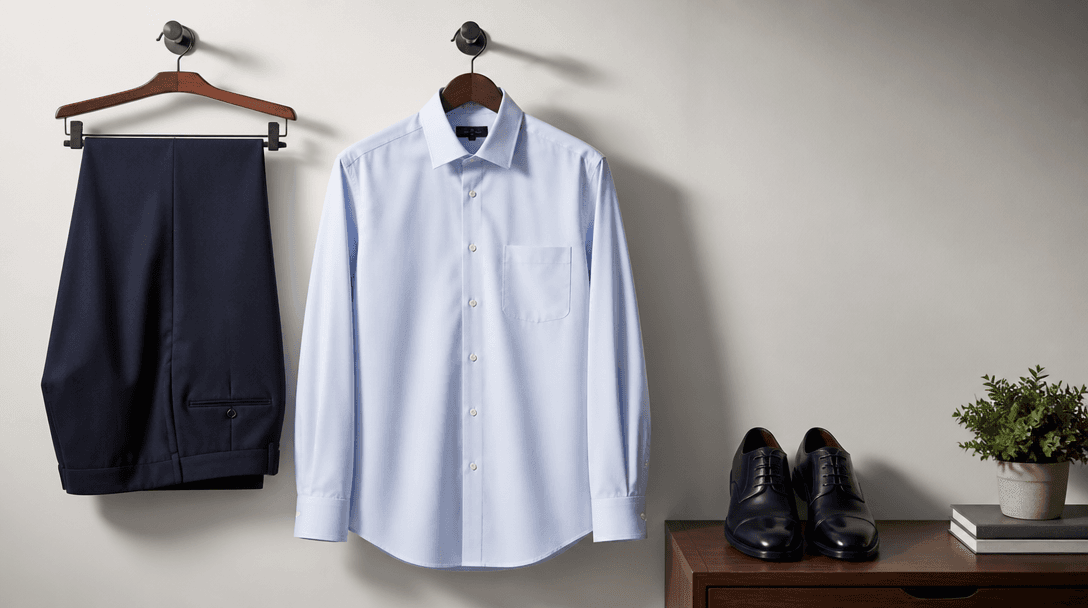
For men: A plain, well-ironed formal shirt (white, light blue, or light grey) tucked into dark trousers (black, navy, or dark grey). A leather belt that matches your shoe colour approximately. Black or brown formal shoes - cleaned, not dusty. If you only have one pair of formal shoes, make sure they're polished the night before. No jeans, no t-shirts, no sneakers, and no sandals. These aren't arbitrary rules - they signal that you understand professional environments.
For women: A plain salwar kameez or churidar set in sober colours works perfectly. Alternatively, a formal shirt with dark trousers is equally appropriate. Closed-toe footwear - sandals or shoes that are clean and professional. Avoid heavy jewellery, strong perfume, and bright nail polish. Manufacturing environments have strict safety protocols about loose jewellery and accessories, so showing up with minimal accessories demonstrates awareness of the work environment.
What specifically to avoid for manufacturing interviews: Suits and ties (overdressed for the environment), branded clothing with prominent logos (distracting and unnecessary), casual wear like shorts or track pants (disrespectful to the process), and anything torn, stained, or visibly worn out. Your clothes don't need to be new - they need to be clean, ironed, and appropriate.
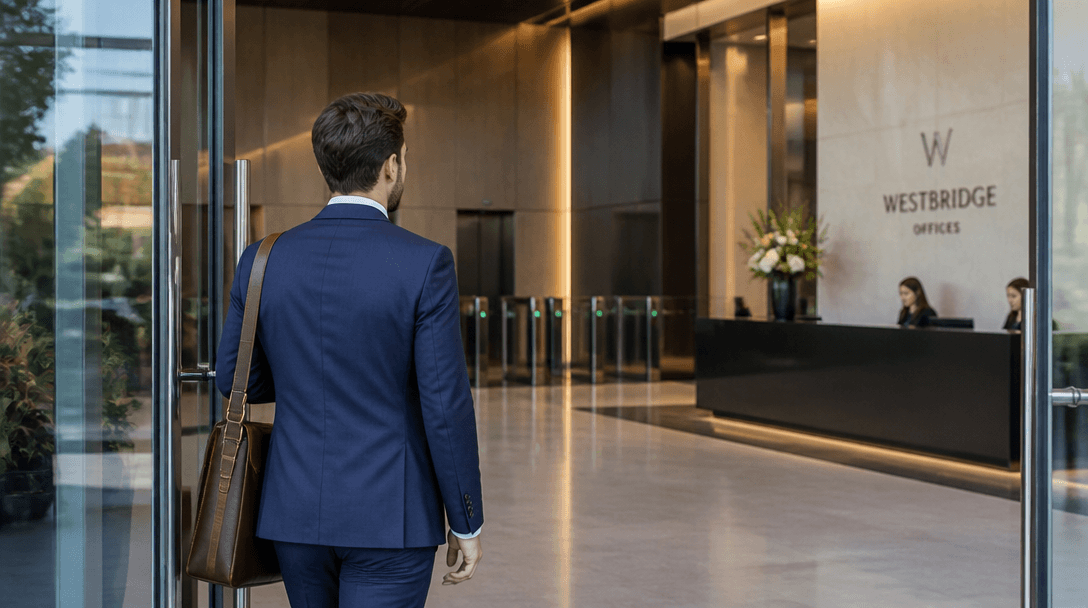
Simple formal shirt and trousers outfit suitable for interviews
What to Wear for IT and Corporate Interviews
IT companies in Chennai have a slightly more formal expectation than manufacturing, especially for the interview. The work culture might be business casual, but the interview is your first impression with HR and technical managers.
For men: Formal shirt (solid colour or subtle patterns - no bold prints) with formal trousers. Light colours for shirts, dark colours for trousers. Some IT companies have a more relaxed environment (like Zoho or startups), but defaulting to formal is always safer than guessing wrong about casual. Wear a belt. A tie is not necessary unless you're interviewing for a client-facing role at a consulting firm.
For women: Business casual works well - a formal kurti with trousers, a salwar kameez, or a Western-style formal shirt with dark pants. Blazers are appropriate for IT interviews but not mandatory. The key is looking polished without being overdressed. Clean footwear - formal sandals, pumps, or closed-toe shoes.
For virtual interviews (increasingly common at IT companies): Dress formally from the waist up at minimum. Ensure your shirt is wrinkle-free and the background behind you is clean and neutral. Good lighting matters - sit facing a window if possible. These visual details affect the interviewer's perception as much as your answers do.
Building an Interview Outfit on a Tight Budget
You shouldn't need to spend more than ₹1,500-₹2,000 on a complete interview outfit, and even that can be reduced if you shop strategically.
Formal shirts: ₹400-₹600 at Max Fashion, Reliance Trends, or local stores in T. Nagar, Pondy Bazaar, or Ranganathan Street. Buy one white and one light blue - these two colours work for any type of interview. White is the safest choice if you can only afford one. Avoid shirts with heavy patterns, embroidery, or loud colours. Solid colours always look more professional.
Formal trousers: ₹500-₹800 at the same stores. Get one pair in black or dark navy. Make sure the fit is right - not too tight, not too loose. Trousers that are too long and bunch at the ankles look sloppy. If needed, get them hemmed at a tailor for ₹50-₹100. A well-fitting ₹500 trouser looks better than an ill-fitting ₹2,000 one.
Shoes: ₹400-₹700 for basic black formal shoes at Bata or local stores. They don't need to be leather - clean synthetic shoes that look formal are perfectly fine. What matters is that they're clean, polished, and have a professional shape (not sports shoes, not sandals). If budget is extremely tight, borrow a pair from a friend or family member for the interview day.
For women: A neat salwar set costs ₹600-₹1,000 at most readymade garment stores. Choose cotton in a solid or subtly patterned fabric. The interview outfit doesn't need to be silk or expensive material - clean cotton in the right colour looks professional and is comfortable in Chennai's heat.
The Most Cost-Effective Tip
Ironing makes a ₹500 outfit look like a ₹2,000 outfit. Wrinkles are the single most common reason candidates look unprofessional despite wearing appropriate clothes. Iron your clothes the night before. If you don't own an iron, most laundry shops press a shirt and trouser for ₹30-₹50. That's the best ₹50 you'll spend before an interview.
Grooming Basics That Matter More Than Your Outfit
Interviewers notice grooming before they notice clothing brands. These basics cost nothing but affect impressions significantly.
Hair should be neat and tidy. For men, a recent haircut (within the past week or two) is ideal but not mandatory - what matters is that your hair is combed and doesn't look unkempt. For women, hair should be secured - a simple ponytail or braid looks more professional than loose hair that you keep pushing out of your face during the conversation.
Nails should be clean and trimmed. This sounds minor, but manufacturing HR managers specifically mentioned it as something they notice: "If someone comes with dirty nails, I wonder how carefully they'll handle product quality." It takes two minutes and costs nothing.
Body odour is a dealbreaker in closed interview rooms. Shower before the interview, use deodorant, and avoid strong perfume or cologne. In Chennai's heat, you'll sweat during commute - carry a small towel to wipe down before entering the venue, and arrive early enough to cool down from the travel.
Breath freshness matters when you're speaking to someone across a small table. Brush your teeth thoroughly in the morning. Avoid raw onions, garlic-heavy food, and smoking immediately before the interview. A simple mint or clove after your meal handles this effectively.
Carry a clean handkerchief. Wiping sweat with your hand or sleeve during an interview looks unprofessional. A simple cotton handkerchief in your pocket solves this. Small detail, big impact.
The Night-Before Check
After you've prepared your outfit, do a full dress rehearsal the night before. Put on everything - shirt, trousers, belt, shoes - and look in a mirror. Check for stains you might have missed, buttons that don't align, or shoes that look more worn than you remembered. Fix any issues tonight, not tomorrow morning in a rush. This five-minute check prevents the distracting self-consciousness of discovering a stain on your shirt when you're already sitting in the interview chair.