
You attended a walk-in interview three days ago. The interview seemed to go well - the HR person smiled, asked follow-up questions, and said "we'll get back to you." Now you're checking your phone every 30 minutes wondering if they've forgotten about you. You want to call them but you're afraid of being too pushy. You don't want to seem desperate, but you also don't want to seem like you don't care.
This follow-up anxiety is universal among freshers. The truth is that following up is not just acceptable - it's expected. HR managers deal with hundreds of candidates and genuine follow-ups help them close their hiring pipeline. The difference between a professional follow-up and an annoying one is entirely about timing, tone, and frequency.
When to Follow Up - The Right Timing
The first rule is straightforward: wait for the timeline they gave you. If the interviewer said "we'll inform you within a week," don't call on day two. They have a process - shortlisting candidates, getting approvals from hiring managers, processing paperwork - and that process takes time. Calling before their stated timeline has passed makes you look impatient, not eager.
If they gave you a specific timeline: Follow up one business day after that timeline expires. If they said "we'll get back to you within a week" and it's been eight days with no response, that's the right moment to reach out. Not day six (still within their window), not day twelve (too late, they might have moved on).
If they didn't give a timeline: Wait five business days after the interview. This gives enough time for the company's internal process to play out while staying fresh in the interviewer's mind. Five business days is the sweet spot - it balances patience with assertiveness.
If they said "we'll call you": This is the trickiest one because it can mean different things. Sometimes it genuinely means they'll call you with results. Sometimes it's a polite way of ending the conversation without commitment. Wait seven business days after this statement before following up. If they were going to call, they would have by then. Your follow-up at that point is a gentle reminder, not pressure.
Calendar with follow-up dates marked for job applications
How to Follow Up - Messages That Work
Your follow-up message needs to accomplish three things: remind them who you are, reference the specific interview, and ask about the status without demanding an answer. Keep it short - under five sentences.
Template for first follow-up:
"Hello [HR name], this is [your name]. I attended the walk-in interview for the [position name] role at [company name] on [date]. I wanted to follow up on my application status. I remain very interested in the opportunity and am available to provide any additional information you might need. Thank you for your time."
This message works because it includes specific details (position, date) that help the HR person locate your file among potentially hundreds of candidates, expresses continued interest without desperation, and offers to provide more information rather than demanding an answer.
Template for second follow-up (if no response to the first after 5 days):
"Hello [HR name], I'm following up on my earlier message regarding the [position] interview on [date]. I understand the selection process takes time, and I'm happy to wait. If the position has been filled, I'd appreciate knowing so I can continue my search. Thank you."
This second template is slightly more direct - it acknowledges that the position might be filled and asks for closure either way. This is respectful and practical. It also subtly communicates that you have other options (you're continuing your search), which is a healthier dynamic than appearing to have all your hopes pinned on one company.
Following Up by Channel - Phone, WhatsApp, Email
The channel you use for follow-up matters. Use the channel that the HR person used to communicate with you during the hiring process.
If they called you to confirm the walk-in: Call them back for follow-up. Keep the call professional and brief - under two minutes. Have your message prepared before you dial so you don't ramble. Call between 10 AM and 12 PM on weekdays. Avoid calling during lunch (1-2 PM) or at the end of the day (after 5 PM) when people are wrapping up and least receptive to non-urgent calls.
If they communicated via WhatsApp: Follow up on WhatsApp. Type your message, proofread it once, and send it. Don't send voice messages for follow-ups - text messages are easier for HR to scan and respond to at their convenience. Don't use informal language or emojis. A follow-up is professional communication, regardless of the platform.
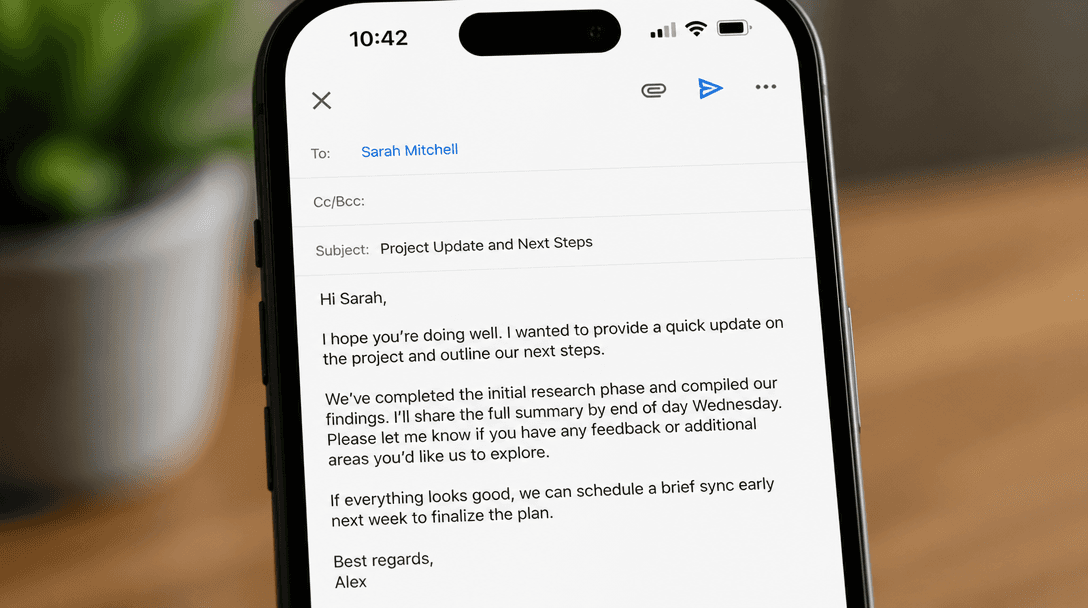
If they gave you an email address: Send a properly formatted email. Subject line: "Follow-up: [Your Name] - [Position] Interview on [Date]." Body: your follow-up message. Professional email signature with your phone number so they can call you if easier. Email is actually the best channel for follow-ups because it's less intrusive than calls, more professional than WhatsApp, and creates a documented thread.
What If You Don't Have Any Contact Information
If you didn't collect any HR contact details during the walk-in (a common oversight for first-time interviewees), try these approaches: Check the company's website for a general HR email or phone number and use that. Call the company reception and ask to be transferred to the HR department, explaining that you attended a recent walk-in. If neither works, visit the company's office if it's within reasonable distance and politely ask at the reception desk for an update on your application.
When to Stop Following Up and Move On
Knowing when to stop is as important as knowing how to follow up. Continuing to contact a company after clear signals of disinterest is counterproductive and can damage your reputation.
After two follow-ups with no response: Stop. If you've sent two well-spaced, professional follow-up messages and received no response, the company has made its decision - they're just not telling you directly. This is unprofessional on their part, but it's a reality of how many companies handle candidate communication. Take the silence as a "no" and redirect your energy to other applications.
If they explicitly say "we'll contact you if shortlisted": This is a polite rejection in most cases. You can send one follow-up after a week, but if the response is the same or there's no response, move on. They've given you all the information they're going to give.
If they say "the position has been filled": Stop immediately. Thank them for letting you know and ask if they'd keep your resume on file for future openings. This graceful exit maintains the relationship for potential future opportunities.
Never follow up more than three times total for a single application. Three is the absolute maximum - once as an initial follow-up, once as a reminder, and once as a final check. Beyond three, you transition from interested candidate to nuisance, and HR teams share this kind of information internally. Being flagged as an annoying candidate at one company can affect your reputation with HR professionals who move between companies in the same industrial area.
Track Every Application
Create a simple tracking system - even a notebook or phone notes app - where you record every application and follow-up with dates. Write the company name, interview date, HR contact details, follow-up dates sent, and responses received. This prevents you from accidentally following up too soon (you have the dates recorded), ensures you don't forget to follow up (you have the reminders), and gives you a clear picture of your active applications. When one opportunity doesn't work out, you don't have to start from zero because your tracker shows you exactly where each other application stands.